
Moving Into a New House: Completion Day Checklist
On the day you move into a new home, confirm legal completion and key release, photograph meter readings, check the property’s condition and essential utilities, notify the council and update your address with important providers. Keep evidence of readings and the move-in date to prevent billing disputes.
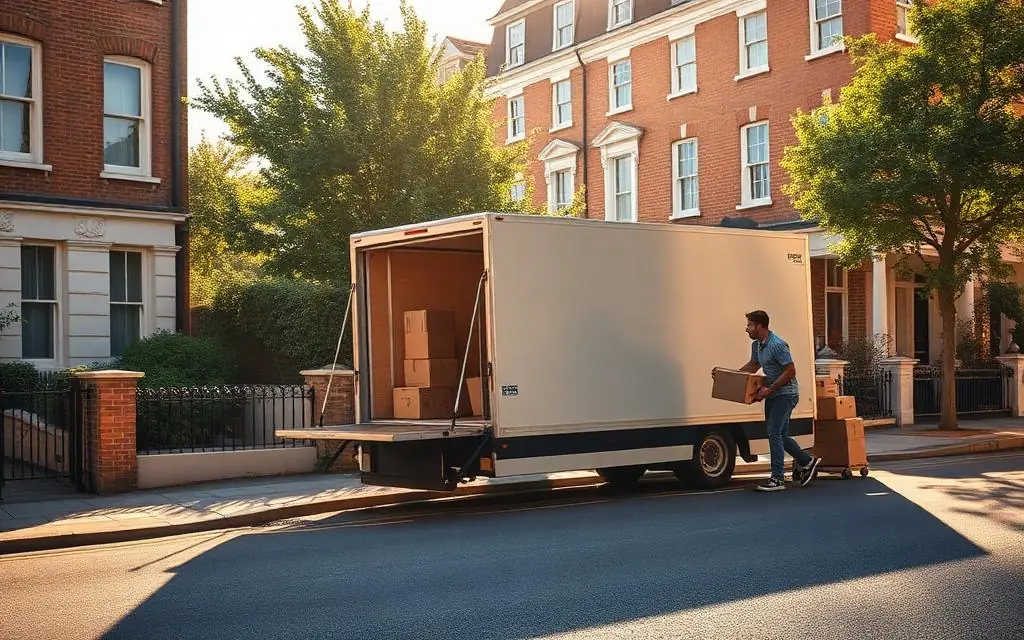
Key takeaways
- Photograph gas, electricity and water readings, including meter serial numbers where visible.
- Tell your old and new councils your relevant moving and occupancy dates.
- Test locks, smoke alarms, water, heating and basic safety before unpacking everything.
Before you unload the van
- Confirm that completion has taken place and you are authorised to collect the keys.
- Check every entrance, key, window lock and any garage or communal access fob.
- Photograph empty rooms and flag serious damage or missing agreed contents promptly.
- Check parking and unloading restrictions before the removals team begins.
- Keep your solicitor’s, agent’s and removal coordinator’s numbers to hand.
Take meter readings immediately
Record electricity and gas readings, and water readings if the property has a water meter. Photograph the display and serial number where possible. Note the date and time. These readings help distinguish your usage from that of the previous occupier.
Contact the suppliers serving the property and arrange any change of tariff or supplier. Take final readings at the home you are leaving as well. A previous resident’s personal utility debt is not automatically your own.
Tell the council and update your accounts
- Tell the old council you have moved out and the new council the date you became liable at the new address.
- Ask for a closing statement where relevant and check any overlapping period, empty-property rule or exemption with the council.
- Update the electoral register, driving licence and vehicle records as applicable.
- Arrange Royal Mail redirection and change address with banks, insurers, employer and GP.
- Update buildings/contents insurance and arrange broadband or other connections.
Check safety and the property condition
- Test smoke and carbon monoxide alarms and check what maintenance is required.
- Locate the consumer unit, stopcock, gas shut-off and heating controls.
- Look for leaks, obvious electrical hazards and signs of damage.
- Check that any agreed fixtures, appliances and manuals remain.
- Report significant discrepancies promptly to your conveyancer or agent with dated evidence.
What should you unpack first?
Open an essentials box: kettle, mugs, toiletries, chargers, bedding, cleaning materials and necessary medication. Put labelled boxes straight into the correct rooms. Build beds first and leave decorative unpacking until the following day.
A little organisation at the door saves repeated carrying and means the removal crew can unload efficiently.
Keep reading
Completion Day Delays: What If the Keys Are Late?
Read the full guide: Completion Day Delays: What If the Keys Are Late?
What Documents Should Your Solicitor Give You After Buying a House?
Read the full guide: What Documents Should Your Solicitor Give You After Buying a House?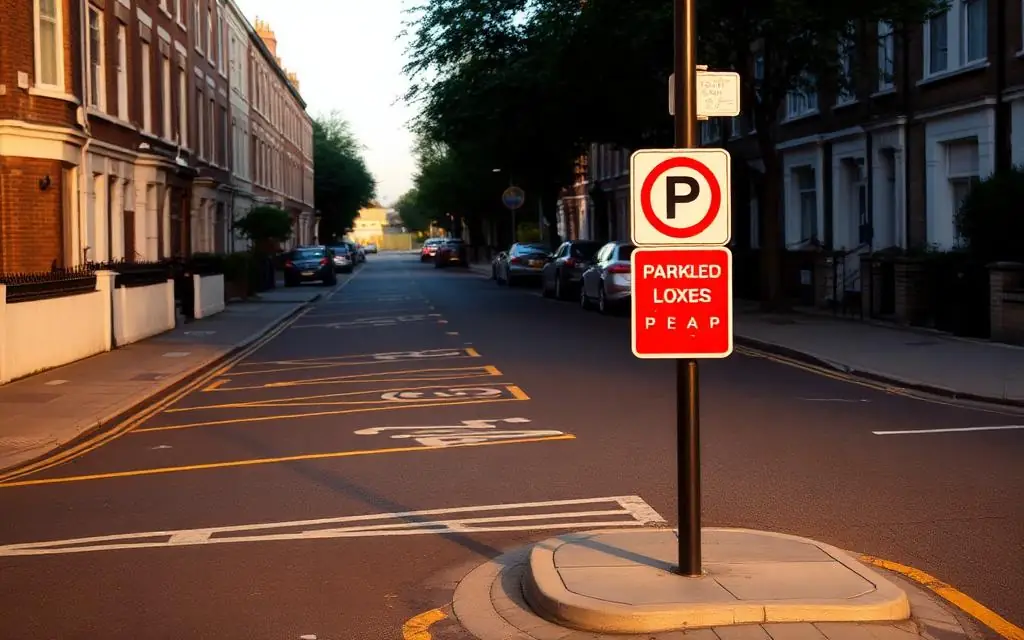
Moving in London: Parking, Permits & Access
Read the full guide: Moving in London: Parking, Permits & AccessPlanning your move?
Start your 60-second moving estimate, with no obligation.